
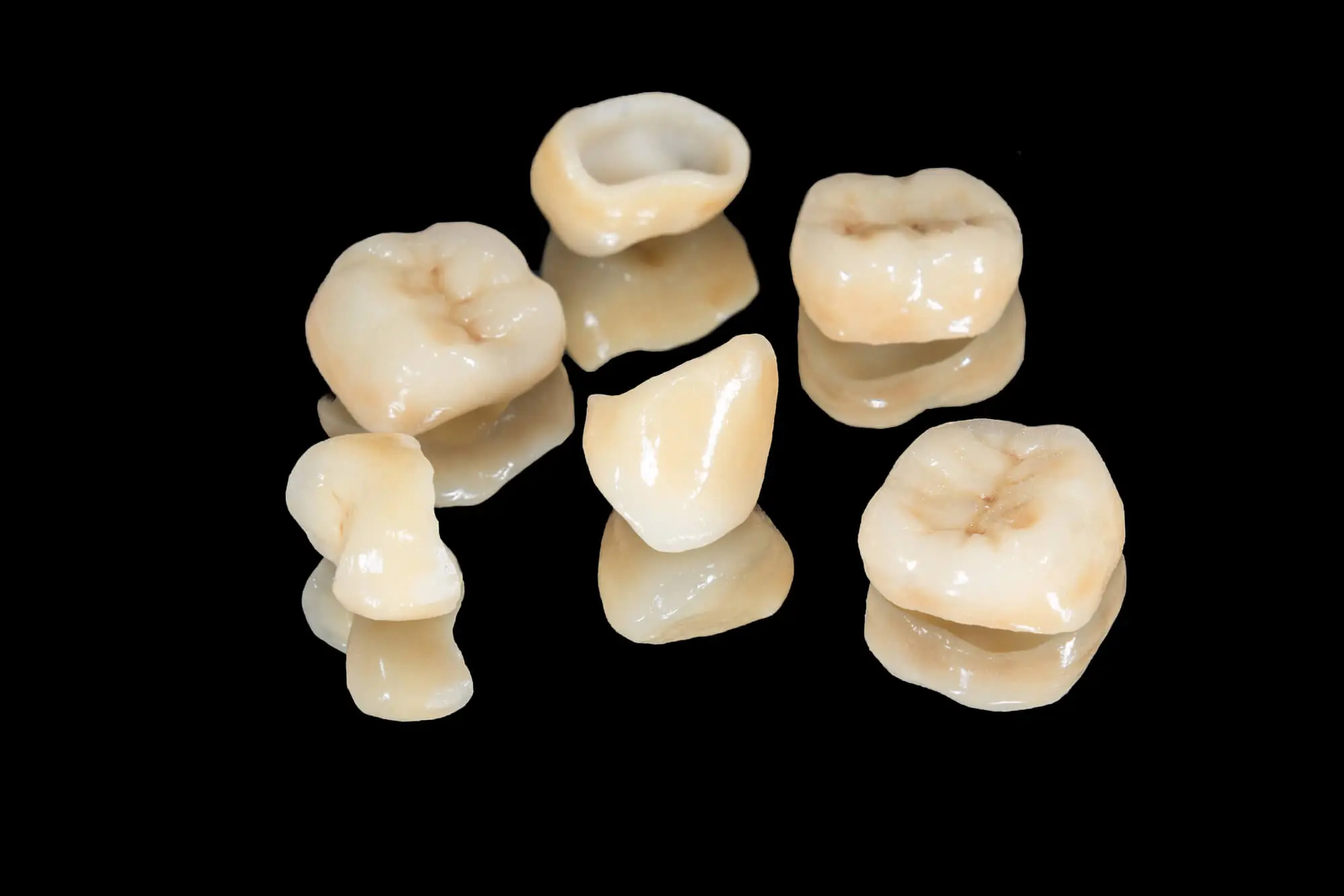
After a tooth experiences severe decay, dental crowns in Concord, CA, are the only solution to restore it to full function. Nevertheless, that doesn’t mean your tooth isn’t still in need of regular care. Crowns are strong, but the tooth underneath is still vulnerable to decay, gum disease, and failure if not regularly cleaned.
This involves flossing at least once a day, but patients often worry—won’t flossing pull out my dental crown? That’s a common, completely valid concern. Luckily, by understanding the risks of not flossing (and learning some flossing tips for crown wearers), you can work to keep your dental investment in top condition.

Why Flossing Around a Dental Crown Is Non-Negotiable
Many patients believe that crowns are a one-time solution. However, crowns do not make teeth immune to problems. In fact, the margin where your crown meets your gumline is an ideal location for plaque to accumulate. Without flossing, you create an ideal environment for bacteria to thrive.
What happens if you don’t floss? Common issues include:
- Gum inflammation and bleeding around the crown
- Recurrent decay under the crown edge
- Bad breath and discoloration around the restoration
- Crown failure due to underlying tooth damage
- Costly retreatments or even tooth loss
It’s not just about aesthetics—it’s about protecting your investment and your oral health.
Will Flossing Loosen or Pull Off My Crown?
Absolutely not—if done correctly. This common fear leads patients to avoid flossing entirely. However, modern crowns are designed to be secure, and flossing will not harm them.
In fact, avoiding flossing is much more dangerous than being overly cautious. If you’re not sure how to floss properly, your Concord dentist can demonstrate safe, effective techniques. Some tips we often give patients include:
1. Use the Right Floss
Choose a soft, waxed dental floss or floss pick. Unwaxed floss can shred and get stuck around crown edges.
2. Be Gentle
Slide the floss carefully between your teeth. Never snap it down—that’s what risks dislodging a crown.
3. Curve the Floss
Wrap the floss in a “C” shape around the side of your crown. This helps remove plaque at the gumline.
4. Rub, Don’t Jab
Gently move the floss up and down against the side of each tooth and crown. Think of it as polishing, not stabbing.
5. Rinse and Repeat
Rinse your mouth with water or mouthwash afterward to flush out debris and bacteria.
Consider a Water Flosser—But Use It Right
If you find traditional flossing difficult, a water flosser is a great alternative, especially around crowns, bridges, and dental implants. Simply aim for the gumline and glide slowly. It’s simple, efficient, and gentle.
Water flossers are especially beneficial for older adults, people with arthritis, and anyone with limited dexterity.
Protect Your Dental Crowns in Concord, CA, with the Right Dental Team
A dental crown in Concord, CA, can last 10 to 15 years—or longer—but only if you take care of it. Neglecting flossing can cut that lifespan in half and lead to infections that may require root canals, new crowns, or even extractions.
Besides flossing regularly, getting regular dental check-ups at Coliseum Dental Concord is key. If it’s been a while since your last cleaning or you’re unsure how to care for your crown properly, our team is here to help. Book your appointment today and protect your investment with the care it deserves!
